

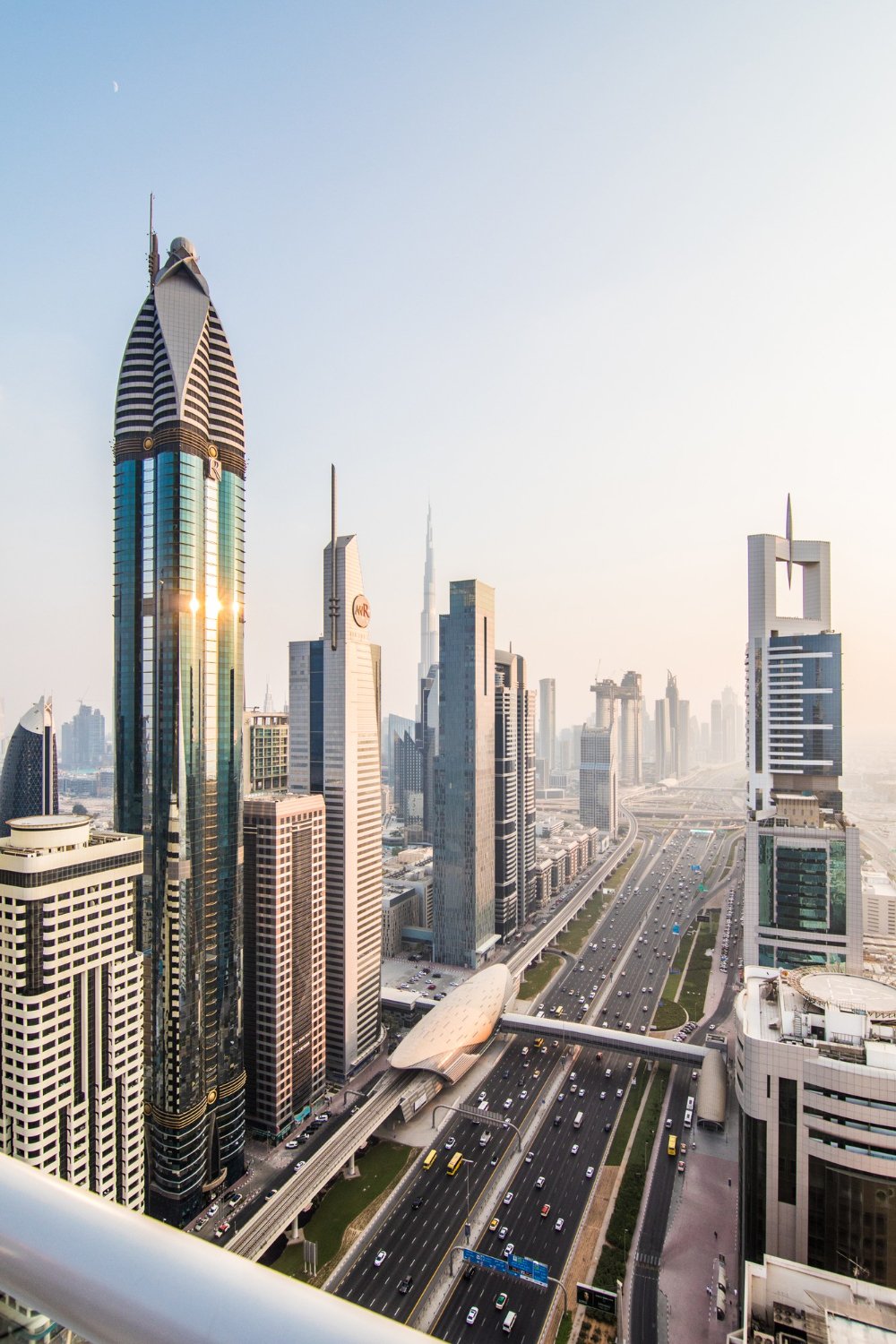
Tourism in the United Arab Emirates (UAE) has brought about rapid development and economic growth. However, it also poses environmental challenges. This article explores the environmental pros and cons of tourism in the UAE, highlighting the need for sustainable tourism practices.
Tourism can raise awareness about the importance of conserving natural and cultural heritage sites. Educational tours and eco-tourism initiatives help visitors understand the need to protect the environment.
By promoting eco-friendly practices, tourism can contribute to the preservation of natural reserves, wildlife, and marine ecosystems.
The UAE has been investing in sustainable tourism projects, such as eco-friendly resorts, solar-powered facilities, and green buildings. These initiatives reduce the environmental impact of tourism while providing a unique experience for visitors.
The development of sustainable tourism practices sets an example for other countries and encourages responsible travel.
Revenue generated from tourism can be used to fund conservation projects and environmental protection programs. Entrance fees to natural reserves and protected areas often contribute to their maintenance and preservation.
Tourism revenue can also support research and development of new conservation techniques and technologies.
Increased tourism has led to the implementation of better waste management systems in tourist areas. Recycling programs, waste segregation, and proper disposal methods are being promoted to manage the waste generated by tourists.
These improvements benefit both the environment and the local communities.
The rapid development of tourism infrastructure, such as hotels, resorts, and roads, can lead to habitat destruction and loss of biodiversity. Coastal areas, deserts, and natural reserves are particularly vulnerable to construction activities.
The disturbance of natural habitats can have long-term negative effects on wildlife populations and ecosystems.
Tourism can contribute to pollution in various forms, including air, water, and soil pollution. Increased vehicular traffic, waste generation, and improper disposal of waste can degrade the quality of the environment.
Marine pollution from tourist activities, such as boating and diving, can harm coral reefs and marine life.
The high demand for water, energy, and other resources in tourist areas can lead to resource depletion. The UAE's arid climate makes water scarcity a significant concern, and the tourism sector's water consumption adds to the pressure on limited water resources.
Energy-intensive tourism facilities, such as luxury hotels and resorts, contribute to the depletion of non-renewable energy sources.
Overcrowding in popular tourist destinations can lead to environmental degradation. Increased foot traffic can damage fragile ecosystems, while overcrowded beaches and parks may suffer from littering and other forms of pollution.
Managing visitor numbers and implementing measures to protect natural sites are essential to mitigate the impact of overcrowding.