

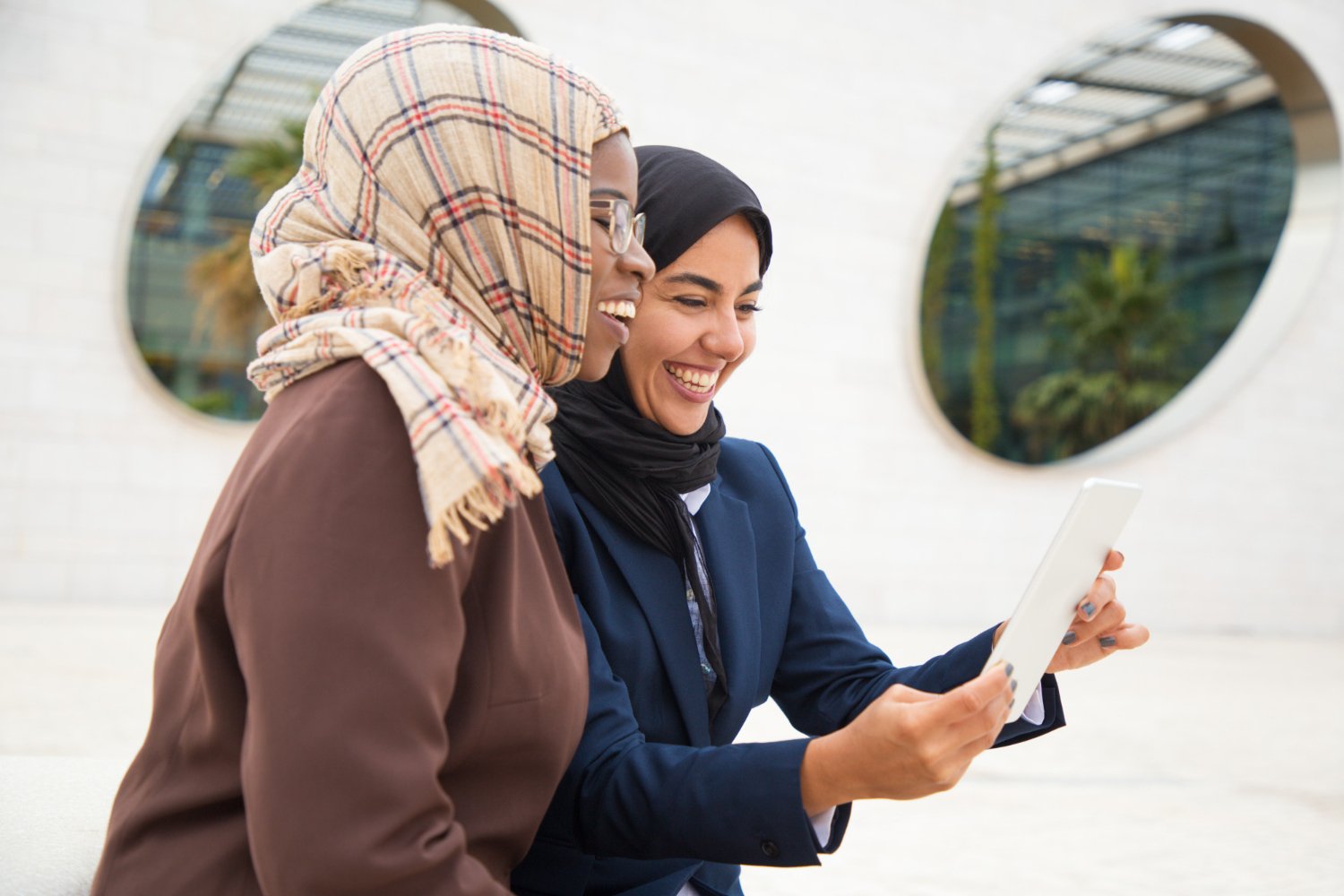
Tourism in the United Arab Emirates (UAE) has a profound impact on the social fabric of the country. While it brings numerous benefits, it also poses certain social challenges. This article explores the social pros and cons of tourism in the UAE, examining its effects on local communities and culture.
Tourism facilitates cultural exchange and fosters mutual understanding between locals and visitors. Tourists have the opportunity to learn about Emirati traditions, customs, and way of life.
This exchange promotes tolerance, respect, and appreciation for different cultures, contributing to social harmony.
Tourism encourages the preservation of cultural heritage sites and traditions. The demand for authentic experiences drives efforts to protect historical landmarks, traditional crafts, and cultural practices.
Museums, heritage villages, and cultural festivals benefit from tourism revenue, ensuring that Emirati culture is passed down to future generations.
Tourism can lead to community development by providing economic opportunities and improving infrastructure. Local communities benefit from job creation, better public services, and enhanced living standards.
Investment in tourism infrastructure, such as roads, schools, and healthcare facilities, often extends to the benefit of local residents.
The tourism industry provides employment opportunities for women, promoting gender equality and economic empowerment. Women can work in various roles, from hospitality and management to arts and crafts.
Tourism initiatives that support local artisans and entrepreneurs help women gain financial independence and recognition for their contributions.
The influx of tourists can lead to cultural erosion as traditional customs and practices may be altered to cater to tourist preferences. The commercialization of cultural heritage sites can result in a loss of authenticity.
Overexposure to foreign influences may impact the younger generation's connection to their cultural roots.
Tourism can exacerbate social inequality, as the benefits may not be evenly distributed among local communities. Wealth generated from tourism often flows to large corporations and affluent areas, leaving some communities marginalized.
Ensuring that tourism development is inclusive and benefits all segments of society is crucial to addressing this issue.
The growth of tourism can lead to an increase in the cost of living in popular tourist destinations. Housing prices, goods, and services may become more expensive, making it difficult for locals to afford basic necessities.
Balancing tourism growth with the needs of residents is essential to prevent economic disparities.
The rapid influx of tourists can disrupt local communities and strain public services. Increased demand for resources such as water, energy, and healthcare can affect the quality of life for residents.
Managing tourism growth to minimize social disruption is important for maintaining social cohesion.
Tourism in the UAE offers social benefits such as cultural exchange, heritage preservation, and community development. However, it also presents challenges like cultural erosion, social inequality, and increased cost of living. By promoting sustainable and inclusive tourism practices, the UAE can ensure that the social impacts of tourism are positive and beneficial for all.